
Vegan Hair Dye: What the Label Means and What It Does Not

Vegan hair dye is formulated without animal-derived ingredients. The label describes ingredient sourcing, not how gently the dye changes hair or how likely it is to cause an allergic reaction. A vegan permanent color can still use oxidative chemistry, and a non-vegan semi-permanent color may cause less structural change.
To choose a dye safely, look beyond the vegan claim at the color system, ingredient list, developer strength, instructions, and your history of allergy or chemical processing.
What “vegan” means
In cosmetics, vegan generally means the formula contains no animal-derived materials such as certain forms of keratin, collagen, beeswax, lanolin, carmine, or silk protein. Certification standards vary, and the term is not the same as cruelty-free.
Vegan addresses ingredients. Cruelty-free addresses animal testing policies. Natural, organic, clean, and plant-based are different claims and do not automatically establish safety.
Does vegan dye damage hair less?
Not necessarily. Damage depends primarily on the coloring process. Temporary and many direct semi-permanent dyes coat or deposit near the surface. Permanent color uses alkalizing and oxidizing steps to change pigment inside the hair. Lightening with bleach causes more structural change than simply depositing a darker tone.
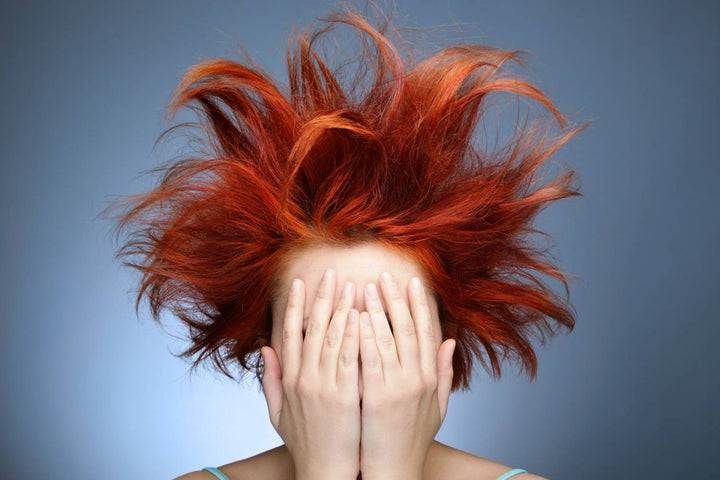
A vegan permanent dye can still lift the cuticle, oxidize pigment, increase porosity, and weaken hair. A formula containing plant-derived ingredients can still irritate the scalp.
Can vegan hair dye cause allergy?
Yes. Hair dyes may contain p-phenylenediamine, related colorants, fragrances, preservatives, or botanical ingredients that trigger allergic contact dermatitis. A prior black henna temporary tattoo can increase the risk of sensitivity to PPD-containing hair dye.
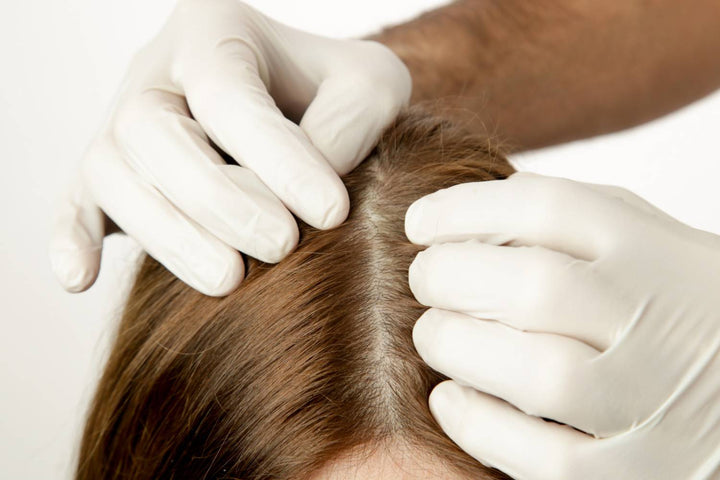
The FDA recommends following label directions and performing the instructed skin test every time before dyeing. Do not color eyebrows or eyelashes, and do not apply dye to a sunburned, cut, or irritated scalp.
How to choose a product
- Decide whether you need temporary deposit, gray coverage, darkening, or lightening.
- Confirm that the vegan claim is supported by the manufacturer or a certification you trust.
- Read the full ingredient list for known allergens.
- Follow the patch-test and strand-test directions.
- Use the lowest level of chemical processing that can achieve the goal.
If you only want a temporary tone and shine change, a semi-permanent gloss may involve less structural processing than permanent color. If you want several levels of lift, the service will require oxidation regardless of the vegan label.
At-home safety
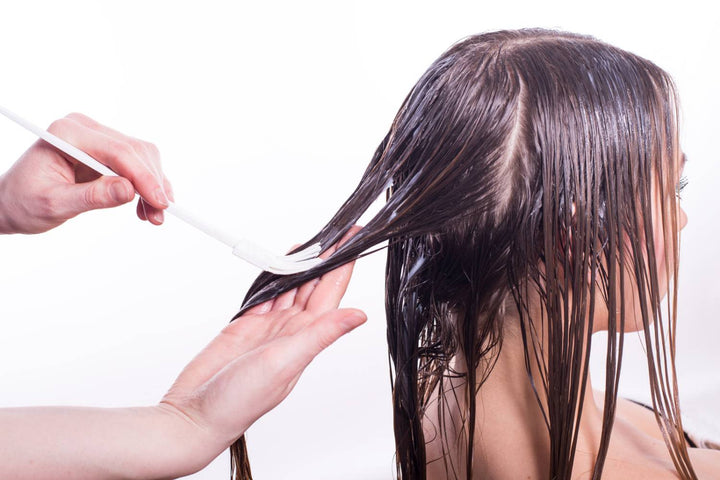
Wear gloves, track processing time with a timer, rinse the scalp thoroughly, and keep dye away from the eyes. Do not mix different brands or use household chemicals to accelerate the result. Follow the product's instructions about timing after bleaching, relaxing, or perming.
Burning, facial swelling, blistering, wheezing, or trouble breathing is not normal. Rinse immediately and seek appropriate medical care. Report serious cosmetic reactions to the FDA.
How to reduce hair damage
Avoid overlapping permanent color or bleach on already processed lengths. Condition after washing, reduce hot-tool exposure, and detangle gently. Learn how often hair can be dyed based on the service and strand condition.
If an at-home result is too dark, do not stack aggressive removal methods. Our guide to removing hair dye at home starts with the least damaging options.
Is plant-based color always safer?
No. Henna is permitted for hair use in the United States, but “black henna” products may contain PPD and can cause severe reactions. Plant extracts can also cause allergy. Natural origin does not guarantee safety, and ingredient transparency still matters.
The bottom line
Choose vegan dye when avoiding animal-derived ingredients is important to you. Choose the color technology and application method based on hair condition, allergy risk, and desired result. Those are separate decisions.
Noophoric Hair+ combines vitamins, minerals, botanicals, and amino acids to support fuller, stronger, healthier-looking hair.
Further reading
Sources
This article is educational and is not a substitute for individualized medical advice.
The information on noophoric.com is for informational and educational purposes only and is not intended to be medical advice. Readers should consult with a qualified healthcare professional before making changes to diet, nutrition, supplementation, medication, or lifestyle.