
Hair Loss After COVID: Timeline, Recovery, and Red Flags

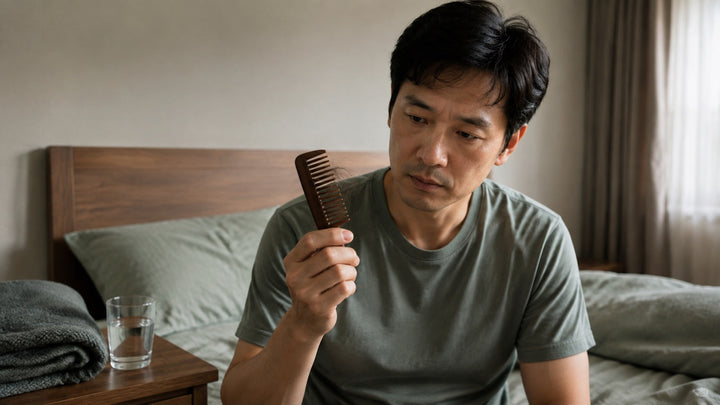
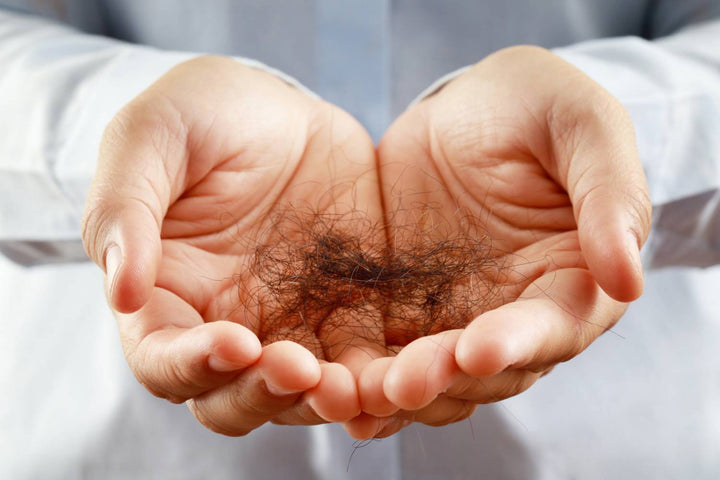
Hair loss after COVID is usually telogen effluvium, a temporary increase in shedding triggered by fever, systemic illness, psychological stress, reduced intake, or weight loss. Shedding commonly begins about two to three months after infection, not during the first sick days. Most people improve, but recovery is gradual.
Why COVID can trigger shedding
A significant illness can push more growing follicles into the resting phase. Those hairs remain in place for weeks before releasing, which explains the delay. Fever and systemic inflammation are strong triggers, while hospitalization, emotional strain, sleep disruption, and inadequate nutrition can add to the burden.
This cycle shift does not mean the virus permanently infected or destroyed every shedding follicle. In typical telogen effluvium, follicles remain capable of new growth.
The usual timeline
- Trigger: Infection, fever, or major stress occurs.
- Delay: Hair often looks unchanged for six to twelve weeks.
- Shedding: Diffuse loss becomes noticeable in the shower, brush, or throughout the day.
- Settling: Shedding often begins easing over three to six months.
- Density recovery: New hairs need additional months to gain length and coverage.
Individual timelines vary. Repeat infection or another ongoing trigger can extend the course.
What it looks like
Telogen effluvium usually affects the entire scalp without one smooth bald patch. The part may appear wider and the ponytail smaller. Many shed strands have a pale club root. Short tapered regrowth may later stand up around the part and hairline.
COVID-related shedding can also expose preexisting pattern loss. If density remains lower over the crown after shedding settles, a dermatologist may look for hair miniaturization.
What helps recovery
There is no instant way to force follicles through the cycle. Helpful care includes adequate calories and protein, correction of documented deficiencies, management of ongoing illness, sleep support, and gentle handling. Continue normal washing because avoiding the shower only delays release of hairs already in the resting phase. If the thinning is widespread, the diffuse hair-loss guide explains when tests or a second diagnosis become relevant.
A dermatologist may discuss minoxidil when pattern loss overlaps or shedding becomes chronic. Starting it can itself cause an early cycle shift, so make that decision with a clear diagnosis and expectations.
Should you take vitamins?
Testing may be appropriate when appetite was poor, weight dropped, menstruation is heavy, or fatigue persists. Iron, thyroid, vitamin D, B12, zinc, and other tests should be selected from the history rather than ordered blindly. Noophoric Hair+ can provide daily nutritional support for healthy-looking hair as part of a balanced routine, but it does not treat COVID or replace medical evaluation.
When to seek care
See a clinician if shedding remains heavy beyond six months, density continues declining, or there are smooth patches, eyebrow loss, pain, scale, pustules, or scarring. Also seek care for persistent post-COVID symptoms, unexplained weight change, marked fatigue, or other systemic concerns.
Read the broader overview of telogen effluvium after illness if multiple health events may have contributed.
Frequently asked questions
How long does COVID hair loss last?
Active shedding often improves within three to six months, while visible density can take six to twelve months or longer to recover.
Can mild COVID cause hair loss?
Yes. Hospitalization is not required. Fever, inflammation, emotional stress, and reduced intake can occur with a range of illness severity.
Does repeated COVID cause repeated shedding?
Any new systemic stressor can trigger another cycle shift, though it does not happen after every infection.
Bottom line
Diffuse shedding two or three months after COVID usually fits temporary telogen effluvium. Restore health and nutrition, handle hair gently, and allow the cycle time. Persistent, patchy, painful, or visibly progressive loss deserves a dermatologist's evaluation.
Evidence reviewed September 2026. This article is educational and is not a substitute for individualized medical diagnosis or treatment.
*These statements have not been evaluated by the Food and Drug Administration. This product is not intended to diagnose, treat, cure, or prevent any disease.
Sources

The information on noophoric.com is for informational and educational purposes only and is not intended to be medical advice. Readers should consult with a qualified healthcare professional before making changes to diet, nutrition, supplementation, medication, or lifestyle.