
How to Get Shinier Hair: Cuticle Care, Product Buildup, and Styling

Shiny hair reflects light from a relatively smooth, aligned surface. The most effective way to increase shine is to reduce cuticle damage, remove the right amount of buildup, condition the shaft, and use light-reflecting finishing products without weighing hair down.
What makes hair look shiny?
The cuticle is the outer layer of overlapping cells. When those cells lie relatively flat and the fiber surface is lubricated, light reflects more evenly. Rough, lifted, chipped, or residue-covered cuticles scatter light and look dull.
Hair color, diameter, curl pattern, lighting, and camera exposure also affect visible shine. Curly and coily hair can be healthy but appear less reflective because light hits bends at many angles.
Remove buildup without stripping
Dry shampoo, hard-water minerals, oils, silicones, polyquaterniums, and styling polymers can collect on hair. If normal washing no longer restores movement, use an occasional clarifying or chelating shampoo matched to the type of residue.
Over-clarifying removes lubrication and can increase roughness. The goal is clean, conditioned hair rather than a squeaky feel.
Condition after shampooing
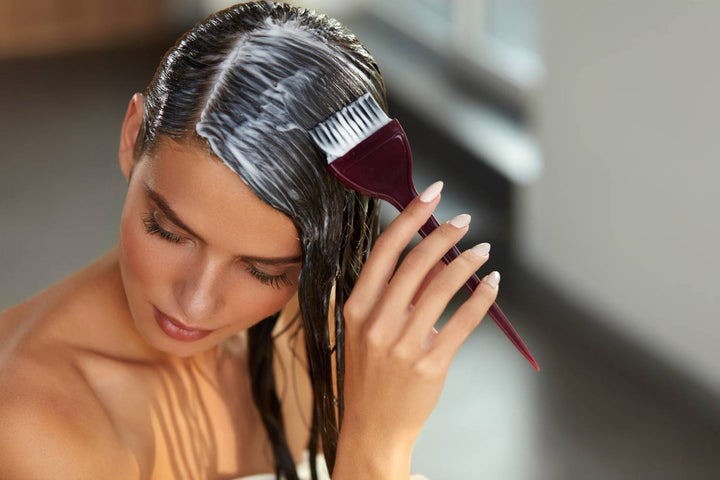
Conditioners reduce static and friction with fatty alcohols, cationic ingredients, silicones, oils, and polymers. Apply mainly to mid-lengths and ends unless the formula is designed for scalp use.
A weekly mask may help dry or chemically treated hair. Fine hair often needs a lighter formula. See our guide to deep conditioning without overload.
Use a leave-in or serum strategically
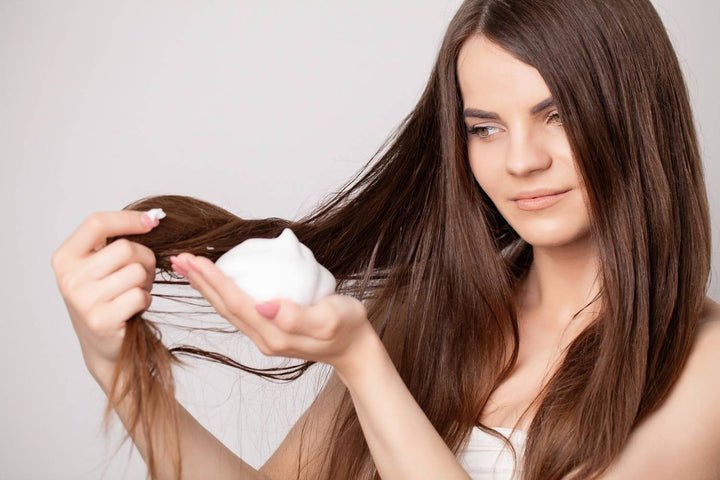
A light leave-in can improve slip and reduce frizz. A serum can coat the surface and create immediate gloss. Start with a small amount on the ends and add only if needed.
Our guide to hair oil versus serum explains which finish fits different hair types.
Limit heat and chemical damage
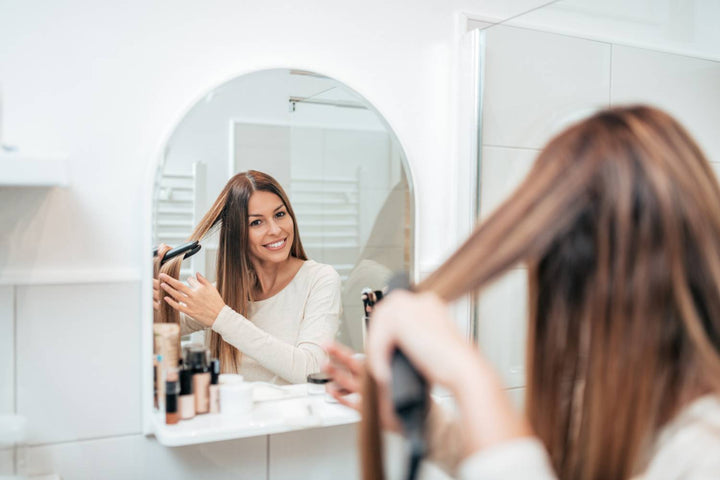
Bleach, permanent color, relaxers, perms, sunlight, and hot tools can remove protective lipids and damage the cuticle. Use the lowest effective temperature, fewer passes, and a heat protectant. Space chemical services and avoid overlapping bleach on previously lightened lengths.
Dry gently
Rubbing with a rough towel raises friction and frizz. Blot with a microfiber towel or soft T-shirt. When blow-drying, keep the nozzle moving and direct air down the shaft. Finish at a lower temperature rather than repeatedly overheating the same section.
Does cold water add shine?
A cooler rinse may feel smoother for some people, but it does not permanently seal the cuticle. Conditioner and reduced damage matter more. Lukewarm water is appropriate for cleansing, especially if very hot water causes dryness.
Hair oils for shine
Oils reduce friction and can increase gloss. Coconut oil can penetrate some hair and may reduce protein loss, while lighter oils mainly coat the surface. Too much oil can make fine or low-porosity hair look greasy and attract buildup.
Shine by hair type
Fine hair: use lightweight conditioner and mist or serum. Curly or coily hair: prioritize conditioning, curl definition, and low friction. Bleached hair: focus on damage control, masks, and heat reduction. Oily hair: cleanse the scalp regularly and keep heavy products off roots.
Can diet make hair shinier?
Severe nutrient deficiency can affect hair quality, but a gloss problem alone does not diagnose deficiency. Eat adequate protein, calories, fats, produce, and varied micronutrients. Avoid megadoses that can worsen shedding.
Noophoric Hair+ combines vitamins, minerals, botanicals, and amino acids to support fuller, stronger, healthier-looking hair as part of a complete routine.*
Frequently asked questions
Can split ends be repaired for shine?
Products can temporarily coat and align them, but only trimming removes a split end permanently.
Why is hair dull after conditioning?
The formula may be too heavy, residue may remain, or hard-water minerals may be present. Use less product or clarify occasionally.
Bottom line
Shine comes from smoothness, low friction, appropriate cleansing, and controlled finishing products. Protect the cuticle, condition consistently, and tailor product weight to hair type rather than chasing one miracle ingredient.
Further reading
Sources
- Hair cosmetics: an overview. 2015.
- Hair cosmetics for the hair loss patient. 2021.
- Hair-care physicochemistry and conditioning. 2023.
Evidence reviewed August 2026. This article is educational and is not a substitute for individualized medical diagnosis or treatment. *These statements have not been evaluated by the Food and Drug Administration. Noophoric products are not intended to diagnose, treat, cure, or prevent any disease.
The information on noophoric.com is for informational and educational purposes only and is not intended to be medical advice. Readers should consult with a qualified healthcare professional before making changes to diet, nutrition, supplementation, medication, or lifestyle.