
How to Use Leave-In Conditioner Without Weight or Buildup

Leave-in conditioner reduces friction, improves detangling, controls frizz, and protects the shaft between washes. The right amount should make hair easier to manage without leaving roots greasy, curls limp, or lengths coated.
How leave-in conditioner works
Leave-ins use water, cationic conditioners, fatty alcohols, silicones, oils, humectants, proteins, and polymers to form a light film. That film lubricates the cuticle and reduces static and combing force.
Unlike rinse-out conditioner, the formula remains on the hair. It must balance slip with low residue.
Who benefits most?
- Curly, coily, or wavy hair that tangles easily
- Long hair with weathered ends
- Bleached, colored, relaxed, or heat-styled hair
- Fine hair that needs a lightweight detangler
- Dry hair exposed to wind, sun, salt, or chlorine
How to apply leave-in conditioner
- Shampoo and use rinse-out conditioner if needed.
- Blot excess water without rubbing.
- Divide dense hair into sections.
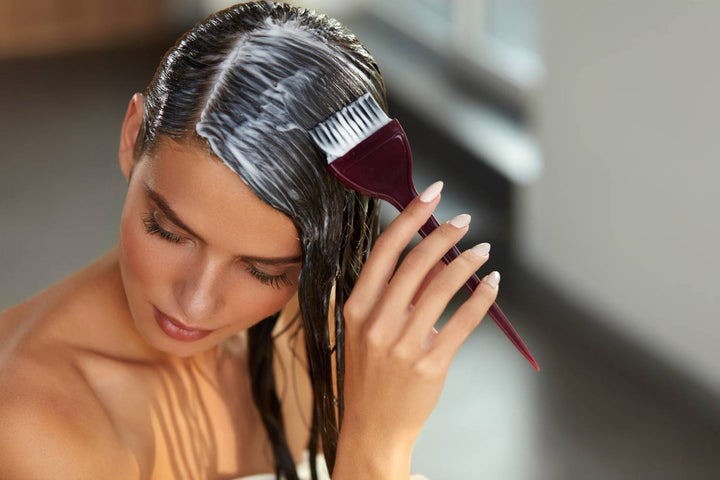
- Apply a small amount from mid-lengths to ends.
- Distribute with fingers, a wide-tooth comb, or a compatible brush.
- Add more only to areas that remain rough or tangled.
- Style as usual.
How much should you use?
Fine, short hair may need only a light mist. Thick, long, curly, or coily hair may need more cream distributed in sections. Start below the label's maximum and build gradually.
If roots become flat within hours, apply farther from the scalp or switch to a spray.
Spray, cream, or milk?
Sprays are light and useful for fine hair. Milks and lotions balance moisture and slip. Creams and butters provide more lubrication for dense, coarse, or very dry hair but can weigh down finer textures.
Can it go on dry hair?
Many products can refresh dry hair, but check the directions. Emulsify a small amount in the hands and smooth it over dry ends. Adding water first may improve spread on curls.
Leave-in versus heat protectant
Some leave-ins include heat-protective polymers, but not every conditioner is tested for hot tools. If you use a dryer, iron, or curling tool, choose a product that specifically states heat protection and follow its temperature guidance.
Read our guide to how heat protectant works.
Signs of buildup
- Hair feels coated or waxy
- Curls lose shape
- Roots become greasy quickly
- Hair takes longer to wet
- Products stop layering well
Use less, apply only to the ends, or cleanse with an appropriate shampoo. Occasional clarifying may help when ordinary washing no longer removes residue.
Scalp use
Most leave-ins are designed for the shaft, not the scalp. Heavy product on oily or dandruff-prone roots can worsen buildup. Use a scalp product only if the formula is labeled for that purpose.
Leave-in and breakage
Reducing friction and combing force can prevent mechanical breakage and split ends. It cannot repair a follicle-based hair-loss condition. Our guide to detangling with less pain and breakage explains technique.
Support hair quality
Noophoric Hair+ combines vitamins, minerals, botanicals, and amino acids to support fuller, stronger, healthier-looking hair as part of a complete routine.*
Frequently asked questions
Do I need rinse-out and leave-in conditioner?
Dry or damaged hair may benefit from both. Fine hair may need only one. Adjust based on slip and residue.
Can I sleep with leave-in conditioner?
Yes, when the product is designed to remain on hair. Do not leave a rinse-out mask overnight unless its directions allow it.
Bottom line
Apply leave-in conditioner lightly to damp mid-lengths and ends, then add only as needed. Match spray, milk, or cream weight to hair type. The right formula improves slip and reduces breakage without creating buildup.
Further reading
Sources
- American Academy of Dermatology. Hair-loss management tips.
- Hair cosmetics: an overview. 2015.
- Hair cosmetics for the hair loss patient. 2021.
Evidence reviewed August 2026. This article is educational and is not a substitute for individualized medical diagnosis or treatment. *These statements have not been evaluated by the Food and Drug Administration. Noophoric products are not intended to diagnose, treat, cure, or prevent any disease.

The information on noophoric.com is for informational and educational purposes only and is not intended to be medical advice. Readers should consult with a qualified healthcare professional before making changes to diet, nutrition, supplementation, medication, or lifestyle.