
How to Use Hair Balm Without Buildup or Greasiness

Hair balm is a broad category of styling and conditioning products that add softness, control flyaways, and help shape hair without the rigid finish of a strong gel. Some balms are lightweight creams. Others are concentrated blends of oils, waxes, and butters. That range is why the correct amount and application method vary so much.
A balm can make dry or coarse hair look smoother, but it cannot repair split ends permanently or treat hair loss. Think of it as a surface product for manageability and finish.
What hair balm does
Conditioning balms coat the strand, reduce friction, and create a smoother surface. Styling balms also add light hold so flyaways and selected sections stay in place. A heavier balm can seal the feel of oil onto the ends, while a water-based cream may provide softer, less greasy control.
Read the label to learn whether a product is rinse-out, leave-in, or intended only for styling. “Hair balm” does not describe one standardized formula, so directions from one product should not be applied automatically to another.
How to use leave-in hair balm
- Start with clean damp or dry hair according to the label.
- Use an amount smaller than a pea for fine or short hair.
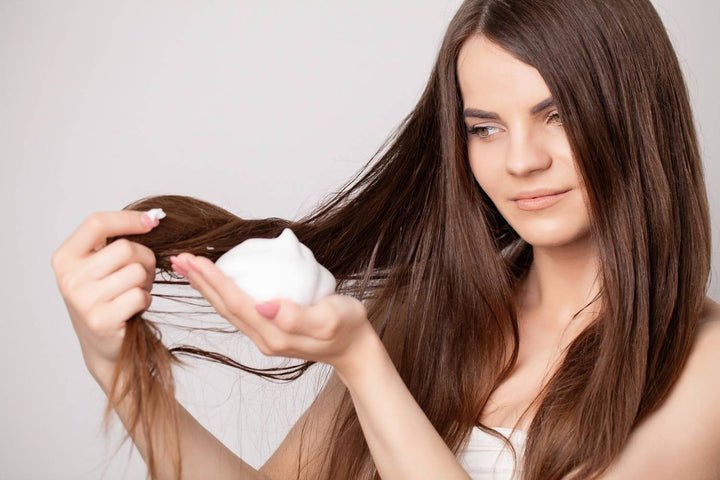
- Warm it between the palms until no concentrated spots remain.
- Apply to the ends and most weathered lengths first.
- Use the remaining trace on flyaways.
- Add more only after checking the finish from all angles.
Keeping heavy balm away from the roots preserves volume. If hair looks stringy or oily, the problem is usually dose or placement rather than proof that the entire product category is wrong for you.
Best approach by hair type
Fine hair: Choose a light, water-based cream and apply only to the ends. A spray leave-in may be easier to dose.
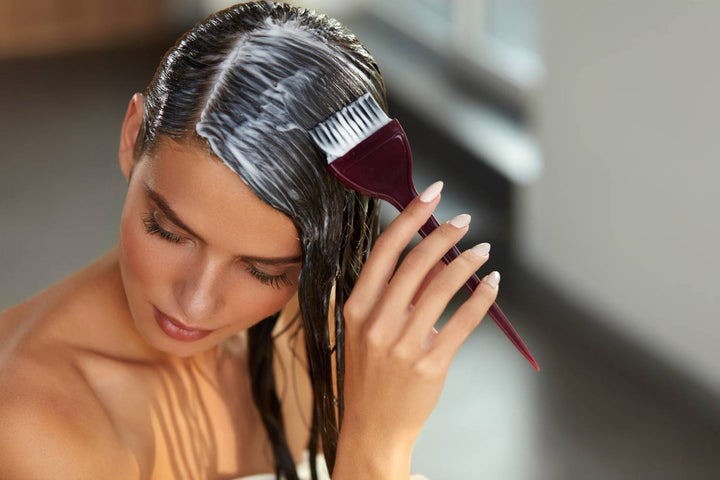
Thick or coarse hair: A richer balm can reduce surface roughness and help control expansion. Divide hair into sections for even coverage.
Curly or coily hair: Apply over damp hair after a leave-in if extra sealing or control is needed. Use gel separately when stronger definition is the goal.
Bleached hair: Balm can improve slip and appearance, but it cannot reverse structural damage. Combine it with gentle cleansing, rinse-out conditioner, reduced heat, and regular trims. Read what can realistically help bleached hair damage.
Hair balm versus wax and pomade
Balm usually emphasizes softness and light control. Wax emphasizes separation and flexible hold. Pomade commonly creates slickness and shine. The categories overlap, so texture and finish on your own hair matter more than the product name.
If you need defined pieces in a short style, hair wax may provide more hold. If you need detangling and all-day lubrication, a true leave-in conditioner may be more appropriate.
Does balm create buildup?
It can. Waxes, butters, oils, silicones, and styling polymers may accumulate when a large amount is reapplied daily. Signs include dullness, loss of volume, a coated feel, and hair that takes longer to become fully wet.
Use the smallest effective amount and cleanse according to scalp needs and product use. Some people need an occasional clarifying shampoo. Follow clarifying with conditioner and avoid using a harsh cleanser more often than necessary.
Can you use balm on the scalp?
Unless the product is specifically formulated and labeled for scalp use, keep a heavy styling balm on the hair. Applying oils and waxes directly to an oily or dandruff-prone scalp can worsen residue and make medicated shampoo harder to distribute.
Stop use if you develop persistent itching, burning, rash, or bumps. Fragrance and botanical ingredients can still trigger contact dermatitis even when a product is described as natural.
What balm cannot do
Balm cannot increase follicle density, treat androgenetic alopecia, correct iron deficiency, or permanently seal a split end. It can make existing strands look smoother and reduce mechanical stress during styling. Sudden or progressive thinning needs medical evaluation.
Noophoric Hair+ combines vitamins, minerals, botanicals, and amino acids to support fuller, stronger, healthier-looking hair.
Further reading
Sources
This article is educational and is not a substitute for individualized medical advice.

The information on noophoric.com is for informational and educational purposes only and is not intended to be medical advice. Readers should consult with a qualified healthcare professional before making changes to diet, nutrition, supplementation, medication, or lifestyle.