
How to Use Hair Wax for Hold Without Flakes or Buildup

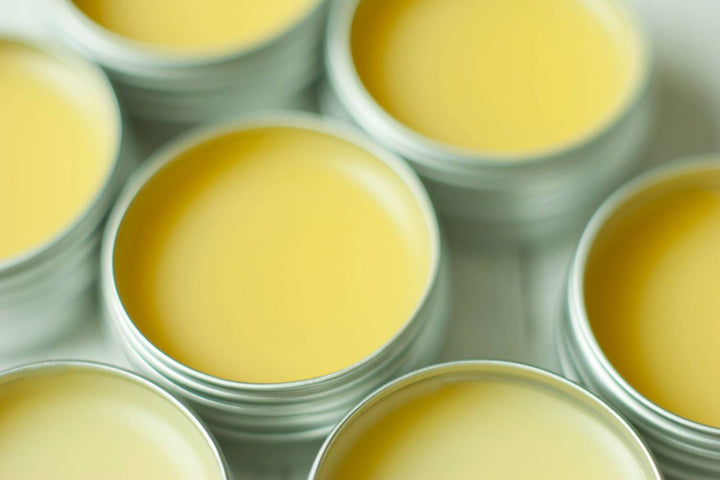
Hair wax adds control, separation, and a flexible finish, especially in short to medium-length styles. Unlike a hard gel, many waxes remain workable after application. That makes it easier to reshape a side part, textured crop, fringe, or piecey ends during the day.
The main mistake is using too much. Wax is concentrated, and an oversized amount can collapse volume, attract lint, and make hair look oily. Start with a trace amount and add more only where the style needs control.
What hair wax does
Wax-based products coat the hair and increase adhesion between selected strands. Depending on the formula, the finish may be matte, natural, or glossy. Hold ranges from light to strong, but wax generally creates more flexible movement than a rigid high-hold gel.
Product names overlap. Paste, clay, pomade, fiber, and styling wax can have similar ingredients but different levels of oil, water, wax, and powder. Choose based on hold and finish rather than the front label alone.
How to apply hair wax
- Begin with dry or nearly dry hair unless the label directs otherwise.
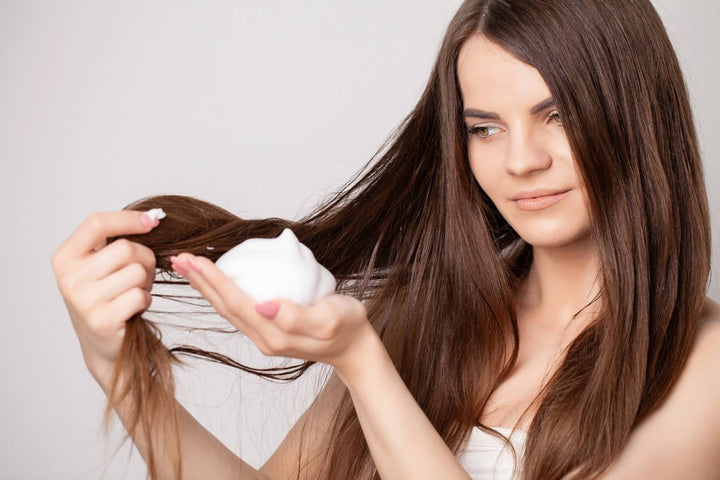
- Scoop out a pea-sized amount for short hair, then use less for fine hair.
- Rub it between the palms until the product becomes thin and evenly distributed.
- Apply first to the back and sides, where excess is less visible.
- Work the remaining product through the top and ends.
- Pinch small sections for separation or use flat palms for a smoother shape.
Applying a concentrated lump directly to the front creates greasy spots that are hard to correct. If that happens, blot with a clean towel or work a tiny amount of dry shampoo through the affected section, then cleanse normally later.
Wax for different hair types
Fine hair: Choose a lightweight matte paste or clay and keep it away from the roots. Heavy shine products can make sparse areas more visible.
Thick or coarse hair: A creamier wax or pomade may distribute more easily and provide enough control without requiring a large amount.
Curly hair: Use wax only on dry curls that need selective definition. Raking a sticky product through the entire head can create tangles. For an all-over curl routine, see how to style curly hair with less frizz.
Long hair: Use a trace amount on flyaways or ends. Wax is rarely the best all-over product for long, fine hair.
Can wax damage hair?
Wax does not usually damage the follicle, but rough application and removal can break fragile strands. Do not pull through knots or scratch hardened residue from the scalp. If the product contains fragrance or preservatives that irritate your skin, stop using it.
Repeated buildup can make hair dull and interfere with styling. That is a cleansing issue rather than proof the follicle is suffocating. Shampoo the scalp thoroughly and repeat only if needed. Very strong clarifying shampoo every day can create additional dryness.
How to wash hair wax out
Wet hair well, massage shampoo into the scalp and waxed sections, then rinse completely. Some water-resistant formulas need a second gentle cleanse. Follow with conditioner on the lengths to restore slip.
If you use wax alongside dry shampoo and hairspray, buildup can accumulate more quickly. Read whether dry shampoo is bad for hair and scalp when it is used too frequently.
Wax versus gel, pomade, and balm
Use gel for a firmer set and stronger curl definition. Use pomade for shine and slick control. Use clay for a drier matte finish. Use balm when you want softer control and conditioning. Use wax when you want separation and restylable hold.
Does wax cause hair loss?
Normal use does not cause androgenetic alopecia or stop follicles from growing. However, pulling, aggressive removal, allergic dermatitis, or chronic scalp inflammation can contribute to breakage or shedding. Persistent loss needs an accurate diagnosis.
Noophoric Hair+ combines vitamins, minerals, botanicals, and amino acids to support fuller, stronger, healthier-looking hair.
Further reading
Related reading
Sources
This article is educational and is not a substitute for individualized medical advice.

The information on noophoric.com is for informational and educational purposes only and is not intended to be medical advice. Readers should consult with a qualified healthcare professional before making changes to diet, nutrition, supplementation, medication, or lifestyle.