
Coily Hair Care: Cleansing, Conditioning, Detangling, and Styling

Coily hair has tight curves that can range from small S shapes to zigzags with less visible definition. The pattern creates beautiful volume and versatility, but it also makes it harder for scalp oil to travel down the strand and creates points where mechanical stress can concentrate.
The best routine keeps the scalp clean, reduces friction, adds conditioning where needed, and avoids styles that hurt. There is no requirement to follow a complicated method or use a particular number of products.
Cleanse the scalp consistently
Wash often enough to remove sweat, oil, scale, and product. Apply shampoo to the scalp in sections, massage with fingertips, and let the lather run through the lengths. Dense coils may need extra rinsing so product is not trapped near the scalp.
Co-washing can be useful between shampoos, but it removes heavy buildup less effectively. If the scalp becomes itchy, greasy, or flaky, use an appropriate shampoo. Read the benefits and limitations of co-washing.
Condition and detangle in sections
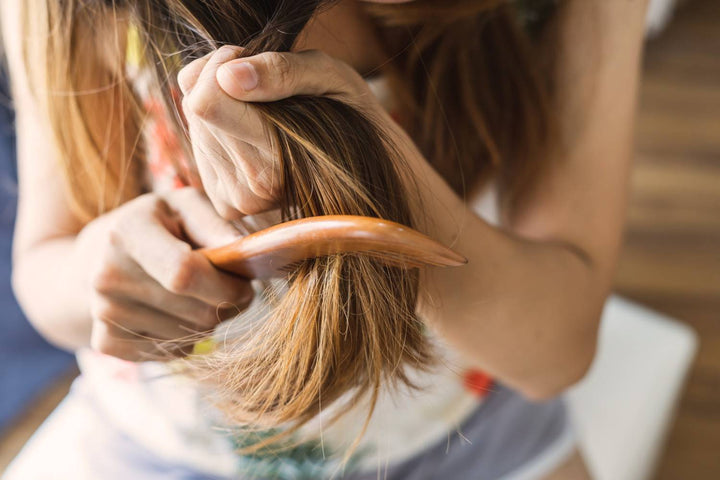
Apply rinse-out conditioner generously enough to create slip, then divide hair into sections. Detangle from the ends upward with fingers or a wide-tooth comb. Hold the section above the knot to reduce pulling at the scalp.
Do not detangle resistant knots on dry hair with force. If a tangle will not release, add conditioner and work apart a few strands at a time. Our full detangling guide explains how to reduce breakage.
Use leave-in products with a purpose
A leave-in conditioner improves ongoing slip. Cream adds softness and some control. Oil can reduce friction and slow water loss. Gel provides stronger definition and hold. Select products by function rather than applying every category automatically.
The LOC or LCO method can work for coarse, porous coils, but it can weigh down finer strands and create residue. Start with leave-in, then add one layer only if the dried result still feels rough.
Dry without excessive friction
Blot with a microfiber towel or soft shirt. Air-dry, sit under a hooded dryer, or diffuse on low to medium heat. Make sure the scalp dries completely, especially beneath dense sections or protective styles.
Avoid repeatedly going to bed with a wet scalp. Persistent moisture under a style can create odor and make scalp conditions harder to manage.
Protective styling without traction
Braids, twists, wigs, and extensions can reduce daily manipulation, but they are not protective if they pull. Pain, headache, bumps, tenting of the scalp, or broken hairs at the hairline are warning signs. Loosen or remove the style promptly.
Change placement, allow breaks between heavy styles, and clean the scalp while the style is installed. Early traction alopecia can improve when tension stops, while long-term scarring loss may be permanent.
Night care
Use a satin or silk bonnet, scarf, or smooth pillowcase to reduce friction. Loosely section or twist long hair before bed so it does not mat. Avoid tight elastic bands at the same location every night.
Heat and chemical processing
Coily hair is not automatically resistant to heat. Blowouts, flat irons, bleach, color, and relaxers can weaken the strand. Use the lowest effective temperature, limit passes, and avoid overlapping relaxer or bleach on previously processed hair.
Common routine problems
- Hair feels coated: Reduce butters and oils, then clarify if needed.
- Ends keep snapping: Improve detangling, conditioning, and trims.
- Scalp is flaky: Treat the scalp rather than applying more styling oil.
- Styles do not last: Apply hold product to wetter hair and dry fully.
- Hairline is thinning: Stop tight styles and seek early evaluation.
Support new growth
Hair care helps retain length by reducing breakage. Follicle growth also depends on genetics, hormones, health, and adequate nutrition. Patchy loss, scarring, or sudden shedding needs diagnosis.
Noophoric Hair+ combines vitamins, minerals, botanicals, and amino acids to support fuller, stronger, healthier-looking hair.
Further reading
Sources
This article is educational and is not a substitute for individualized medical advice.

The information on noophoric.com is for informational and educational purposes only and is not intended to be medical advice. Readers should consult with a qualified healthcare professional before making changes to diet, nutrition, supplementation, medication, or lifestyle.