
Scalp Pain and Hair Loss: What Trichodynia Can Mean

Scalp pain with hair loss is sometimes described as trichodynia, a burning, stinging, tenderness, or crawling sensation without one obvious visible cause. It often accompanies active shedding or pattern hair loss, but it is a symptom rather than a single disease. Infection, inflammation, tight hairstyles, migraine, and nerve-related pain must also be considered.
What trichodynia feels like
People describe soreness when moving the hair, pins and needles, tightness, burning, or the feeling that each follicle hurts. The scalp can look normal or show mild redness. Symptoms may be localized or spread across the crown and sides.
The discomfort is real even when an examination finds no major skin change. Pain processing, stress, perifollicular inflammation, and increased attention during a shedding episode may all contribute.
Why scalp pain and hair loss can occur together
Trichodynia has been reported with telogen effluvium and androgenetic alopecia. In telogen effluvium, a recent illness, surgery, weight change, or emotional stress can trigger widespread shedding. In pattern loss, miniaturization changes density over time. Neither diagnosis can be confirmed by pain alone.
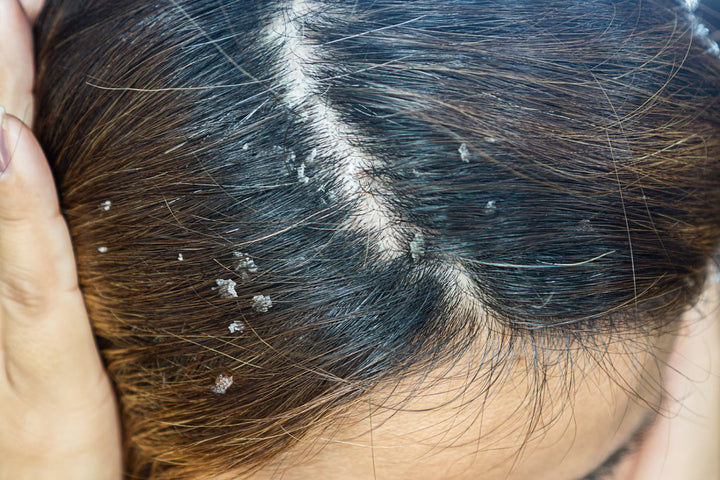
Other causes include seborrheic dermatitis, psoriasis, folliculitis, allergic contact dermatitis, sunburn, shingles, traction, and inflammatory scarring alopecia. Severe tenderness with pustules, crusting, a spreading rash, or missing follicle openings deserves prompt evaluation.
How a clinician evaluates it
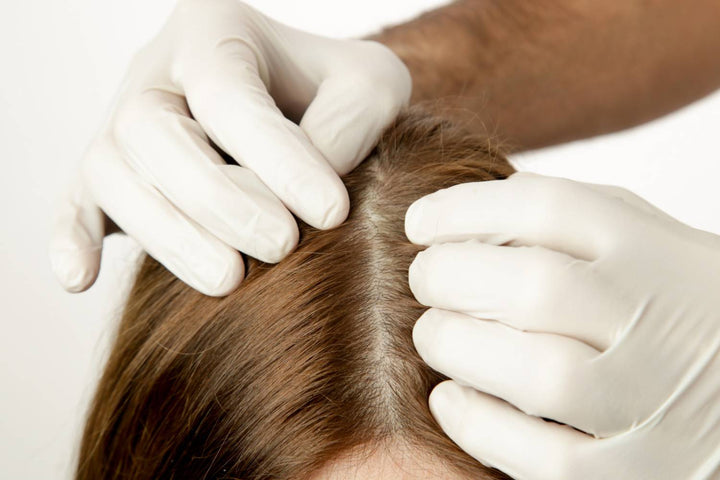
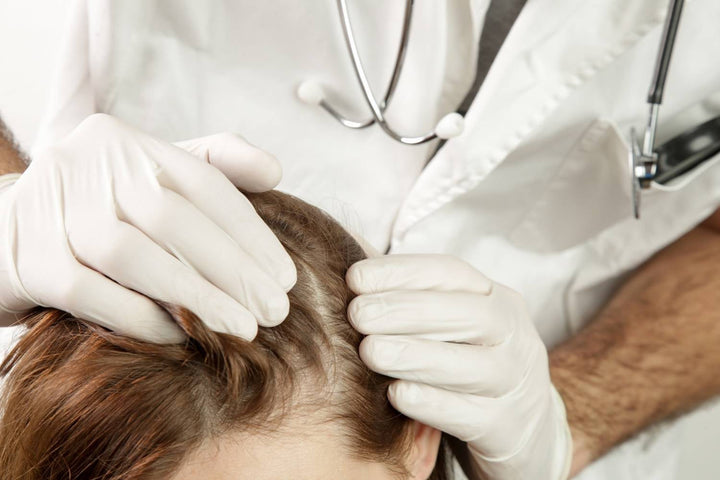
A dermatologist examines the skin, hair shafts, and pattern of density. Dermoscopy can reveal scale, redness, miniaturization, broken hairs, or scarring. A pull test checks active shedding. The history should cover hair products, tight styles, headaches, recent health events, medications, and exactly how the sensation behaves.
Targeted blood tests may be appropriate if diffuse loss accompanies fatigue, weight change, heavy periods, or dietary restriction. Our guide to hair-loss blood tests explains why testing should follow the clinical picture.
Treatment depends on the cause
- Treat dandruff, psoriasis, infection, or contact allergy when present.
- Remove tight styles and reduce heat or chemical irritation.
- Address telogen effluvium triggers and allow the cycle time to normalize.
- Use evidence-based therapy when pattern hair loss is diagnosed.
- Discuss nerve-pain or headache treatment when symptoms fit those conditions.
Some clinicians use soothing topical treatments or medications that modify nerve sensation, but evidence specific to trichodynia is limited. Avoid repeatedly applying essential oils or strong scalp actives, which can worsen contact dermatitis. The guide to itchy scalp with hair loss helps separate common dermatitis clues from urgent inflammatory signs.
What you can do today
Wear the hair loosely, cleanse with lukewarm water, pause new fragranced products, and avoid scratching. A cool compress may feel soothing. Keep a short symptom diary that records products, hairstyles, headaches, stress, and shedding without counting every hair.
Balanced nutrition supports normal hair production. Noophoric Hair+ is an optional daily nutritional support product, but it does not treat scalp pain and should not delay diagnosis.
Frequently asked questions
Does scalp pain mean follicles are dying?
No. Tenderness can occur with temporary shedding or irritation. Scarring warning signs, not pain by itself, determine urgency.
Can anxiety cause trichodynia?
Stress can amplify sensation and trigger shedding, but symptoms should not be dismissed as "just anxiety" before scalp disease is considered.
Will it stop when shedding stops?
It often improves as the associated condition settles, but persistent or worsening pain needs reassessment.
Bottom line
Trichodynia names a scalp sensation, not its cause. A careful scalp examination separates temporary shedding-related tenderness from dermatitis, infection, traction, and scarring disease, allowing treatment to target the real problem.
Evidence reviewed September 2026. This article is educational and is not a substitute for individualized medical diagnosis or treatment.
*These statements have not been evaluated by the Food and Drug Administration. This product is not intended to diagnose, treat, cure, or prevent any disease.
Sources
The information on noophoric.com is for informational and educational purposes only and is not intended to be medical advice. Readers should consult with a qualified healthcare professional before making changes to diet, nutrition, supplementation, medication, or lifestyle.