
Selenium and Hair: Deficiency, Toxicity, and Supplement Safety

Selenium is essential for antioxidant enzymes and thyroid metabolism, but more is not better for hair. True deficiency can be relevant in unusual circumstances, while chronic excess is a well-established cause of brittle hair, nail changes, and hair loss. Supplement decisions should consider total intake from food and every product you take.
What selenium does
Selenium is incorporated into selenoproteins involved in antioxidant defense, thyroid hormone metabolism, DNA synthesis, and reproduction. Hair follicles have high cellular activity, so adequate overall nutrition supports normal cycling.
A biological role does not mean that high-dose selenium makes normal hair grow faster. Nutrients tend to help most when they correct an actual inadequacy.
Can selenium deficiency cause hair loss?
Severe selenium deficiency is uncommon in people eating a varied diet in the United States. It has been reported in people receiving long-term specialized nutrition, living in very low-selenium regions, or having certain absorption problems.
Research on ordinary nonscarring hair loss is inconsistent. Reviews suggest that micronutrient deficiencies or imbalances may contribute in some patients, but supplementation without a demonstrated need is not automatically effective.
Too much selenium can cause hair loss
Selenium toxicity, or selenosis, can cause hair loss, brittle or lost nails, nausea, diarrhea, skin rash, fatigue, a metallic taste, and garlic-like breath odor. Very high exposure can affect the nervous system and other organs.
Hair loss is considered an important early sign of chronic excess. This is why stacking a multivitamin, hair supplement, standalone selenium, and frequent Brazil nuts can be risky.
How much do adults need?
The U.S. recommended dietary allowance for most adults is 55 micrograms per day. Needs are higher during pregnancy and lactation. The U.S. tolerable upper intake level for adults is 400 micrograms per day from food and supplements combined.
Some international authorities use a lower upper level based on newer risk assessments. The practical lesson is to avoid treating the upper limit like a target.
Food sources
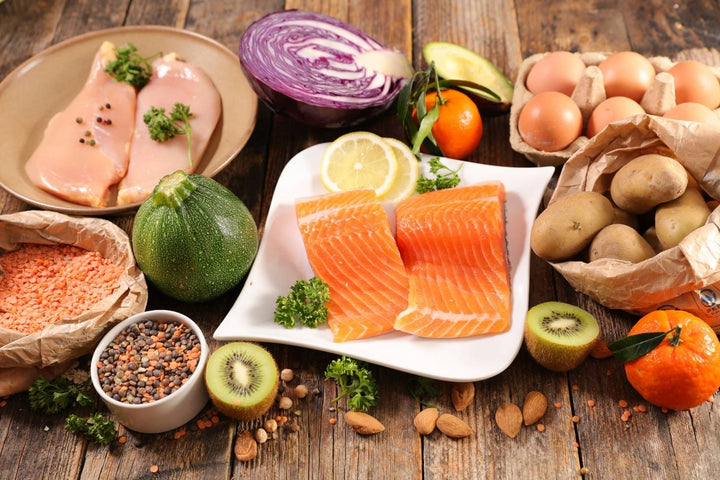
- Seafood
- Meat and poultry
- Eggs and dairy foods
- Whole grains and fortified products
- Brazil nuts
Brazil-nut selenium varies widely with soil and growing conditions. The NIH notes that a single nut can contain a substantial amount, so eating many every day may push intake too high.
Should you test selenium?
Routine testing is not needed for everyone with hair loss. A clinician may consider diet, gastrointestinal disease, bariatric surgery, specialized nutrition, geographic exposure, symptoms, and supplement use. Thyroid, iron, vitamin D, medication, hormonal, and genetic causes may be more likely depending on the pattern.
Use our guide to hair shedding, breakage, and loss patterns to organize what you are seeing before an appointment.
How to check supplement labels
- List every vitamin, mineral, performance, thyroid, immune, and hair product you take.
- Record selenium per serving and the number of servings used.
- Add regular high-selenium foods such as Brazil nuts.
- Do not combine products simply because each dose is below the upper limit.
- Ask a clinician or pharmacist to review the total if you are uncertain.
Selenium shampoo is different
Selenium sulfide shampoo is a topical dandruff treatment. It is not used to correct dietary selenium status. Follow the label, keep it out of the eyes, rinse thoroughly, and ask a clinician if scalp irritation or discoloration occurs.
A balanced hair supplement
Hair formulas should be judged by the full ingredient panel and total daily intake, not a single highlighted nutrient. Noophoric Hair+ combines vitamins, minerals, botanicals, and amino acids to support fuller, stronger, healthier-looking hair.* Avoid stacking multiple hair supplements unless a qualified clinician has reviewed them.
Frequently asked questions
Will selenium reverse gray hair?
There is no established evidence that extra selenium reverses normal age-related graying. Hair color depends on pigment-producing cells, genetics, age, and certain medical or nutritional conditions.
How quickly does hair recover from excess selenium?
Recovery depends on dose, duration, and the cause of loss. After excessive exposure stops and levels normalize, new growth may take months because follicles and hair shafts change slowly. Suspected toxicity should be evaluated medically.
Bottom line
Selenium supports normal physiology, but excessive intake can directly cause hair loss. Meet needs through a varied diet or a carefully dosed supplement, add totals across products, and do not use high doses as a shortcut for faster growth.
Further reading
Sources
- NIH Office of Dietary Supplements. Selenium fact sheet for consumers.
- The role of vitamins and minerals in hair loss: a review. 2019.
- Toxicity of repeated oral selenium intake: a review. 2023.
Evidence reviewed August 2026. This article is educational and is not a substitute for individualized medical diagnosis or treatment. *These statements have not been evaluated by the Food and Drug Administration. Noophoric products are not intended to diagnose, treat, cure, or prevent any disease.
The information on noophoric.com is for informational and educational purposes only and is not intended to be medical advice. Readers should consult with a qualified healthcare professional before making changes to diet, nutrition, supplementation, medication, or lifestyle.