
Fenugreek for Hair: Conditioning Claims, Evidence, and Allergy

Fenugreek may make hair feel conditioned when used in a rinse or mask, but it is not supported by strong human evidence as a treatment for hair loss. Laboratory and traditional-use claims cannot establish that seeds or powder increase scalp density. Homemade mixtures can also cause residue, irritation, or allergy.
What fenugreek is
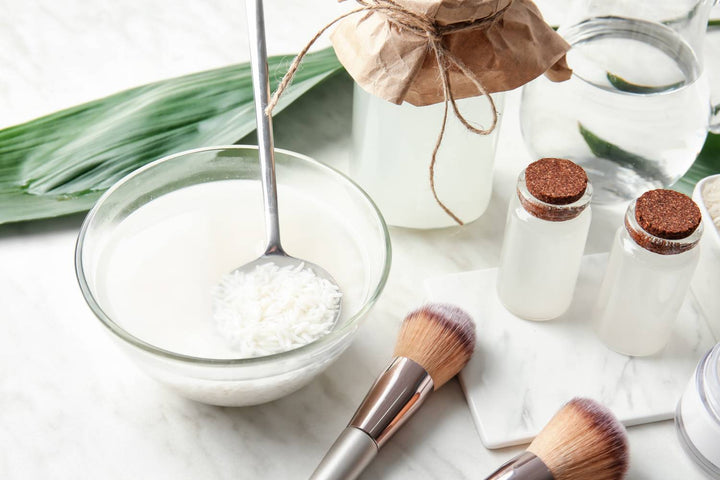
Fenugreek, or Trigonella foenum-graecum, is a culinary and medicinal plant. The seeds contain fiber, mucilage, proteins, saponins, and other plant compounds. When soaked, they form a slippery gel that explains much of their use in DIY hair masks.
Possible cosmetic benefits
The mucilage can coat the shaft and temporarily improve slip. Some users report softer hair, easier detangling, or less frizz. These effects are similar to conditioning and do not prove faster follicle growth.
Powder that is not finely strained can stick to curls, locs, or porous hair and become difficult to remove.
Does fenugreek grow hair?
There are no large, high-quality randomized trials showing that homemade fenugreek masks regrow scalp hair. Some commercial multi-ingredient supplements or topicals include fenugreek, but their results cannot isolate its contribution.
A 2026 clinical review of adjunctive approaches to androgenetic alopecia concluded that many natural and lifestyle interventions still lack adequate data. A biological mechanism is not a substitute for measured human outcomes.
Can it reduce shedding?
Hair shedding has many causes, including illness, childbirth, rapid weight loss, medication, thyroid disease, iron deficiency, autoimmune disease, and genetic miniaturization. A mask cannot correct most of these triggers.
Start with our guide to shedding, breakage, and common loss patterns before choosing a treatment.
Allergy and irritation
Fenugreek can cause allergic reactions. Cross-reactivity has been reported among some legumes, including peanut and chickpea. Topical symptoms may include burning, itching, hives, swelling, or dermatitis. Ingestion can cause gastrointestinal symptoms and may affect blood sugar or interact with medication.
Do not assume topical use is harmless because fenugreek is a food.
Homemade-mask risks
- Uncontrolled concentration and pH
- Particles trapped in dense or coily hair
- Microbial contamination during soaking or storage
- Fragrance or essential oils added to the mixture
- Stiffness or residue after repeated use
How to try it more cautiously
- Avoid use if you have a known fenugreek or legume allergy without medical guidance.
- Prepare a fresh, simple mixture and strain it thoroughly.
- Patch test a small area first.
- Keep it away from the eyes and broken skin.
- Use a short contact time and rinse completely.
- Stop for itching, swelling, hives, or breathing symptoms.
Who may like it?
People seeking a slippery DIY pre-shampoo treatment may enjoy the texture. Those with very fine, low-porosity, or buildup-prone hair may find it heavy. A commercial conditioner provides a more standardized and preserved alternative.
Better-supported steps
For breakage, reduce friction, condition regularly, moderate heat, and detangle in sections. For pattern thinning, discuss minoxidil and other evidence-based options. For suspected deficiency, use targeted testing rather than guessing.
Our guide to deep conditioning explains how to improve slip without overloading hair.
Supporting nutrition
Eating fenugreek as a seasoning is different from using it as a treatment. Noophoric Hair+ combines vitamins, minerals, botanicals, and amino acids to support fuller, stronger, healthier-looking hair as part of a complete routine.* Review supplement use with a clinician if pregnant, breastfeeding, diabetic, or taking medication.
Frequently asked questions
Can fenugreek replace minoxidil?
No. Fenugreek has not shown comparable clinical evidence for pattern hair loss and should not be presented as an equivalent treatment.
How often should a mask be used?
There is no evidence-based schedule. If you try one, start occasionally and stop if residue, dryness, or irritation develops.
Bottom line
Fenugreek may act as a temporary conditioning ingredient, but strong evidence for hair regrowth is lacking. Use cautious preparation, avoid it with relevant allergies, and match treatment to the cause of shedding or thinning.
Further reading
Sources
- Adjunctive approaches for androgenetic alopecia: clinical review. 2026.
- Safety and effectiveness of nutritional supplements for hair loss: systematic review. 2022.
- Allergic contact dermatitis to personal care products. 2026.
Evidence reviewed August 2026. This article is educational and is not a substitute for individualized medical diagnosis or treatment. *These statements have not been evaluated by the Food and Drug Administration. Noophoric products are not intended to diagnose, treat, cure, or prevent any disease.

The information on noophoric.com is for informational and educational purposes only and is not intended to be medical advice. Readers should consult with a qualified healthcare professional before making changes to diet, nutrition, supplementation, medication, or lifestyle.