
Water-Only Hair Washing: What It Removes and What It Leaves Behind

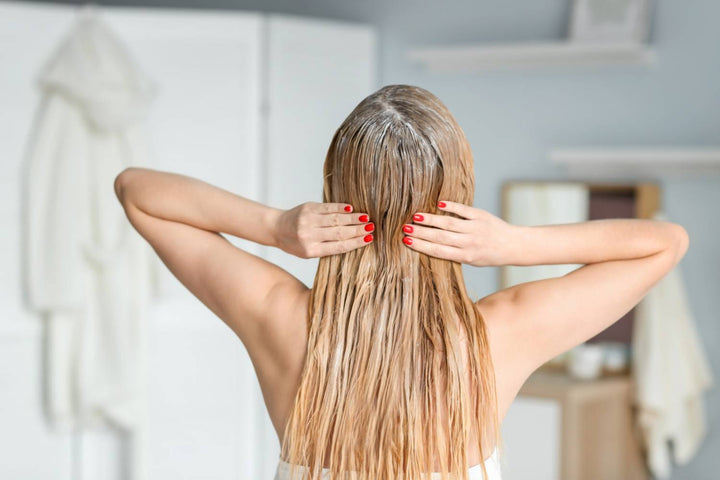
Water-only hair washing means rinsing and massaging the scalp without shampoo, cleansing conditioner, soap, baking soda, or other cleanser. Water can remove sweat, salt, and some loose dirt. It does not dissolve scalp oil, waxes, silicones, and many styling polymers as effectively as a properly formulated shampoo.
Some people like the softer feel they get after reducing harsh or overly frequent shampooing. That does not mean water alone is adequate for every scalp, hair type, or routine.
What water can remove
- Water-soluble sweat components
- Loose dust and debris
- Some water-soluble styling ingredients
- Residue loosened through massage and thorough rinsing
Warm water and mechanical massage help, but water and oil do not mix well. Shampoo surfactants have an oil-attracting end and a water-attracting end, allowing sebum and oily dirt to be suspended and rinsed away.
What water often leaves behind
Sebum, pollution particles bound to oil, wax, pomade, some silicones, dry shampoo powders, and heavy creams can accumulate. The result may be a greasy feel, dull strands, odor, itching, or visible scale. People who exercise frequently, have an oily scalp, or use many styling products are more likely to need cleanser.
Who might tolerate it?
Someone with a dry scalp, minimal product use, low oil production, and a hair texture that becomes very rough with conventional shampoo may tolerate occasional water-only rinses between washes. Coarse, curly, or coily hair may benefit from keeping shampoo focused on the scalp and conditioning the lengths instead of eliminating cleanser entirely.
A cleansing conditioner is another middle option. It is milder than many shampoos but removes more residue than water alone. Review the benefits and limits of co-washing.
Who should avoid relying on it?
- People with dandruff or seborrheic dermatitis who need medicated shampoo
- Anyone with an oily, itchy, inflamed, or odorous scalp
- Frequent users of wax, pomade, dry shampoo, or water-resistant products
- Swimmers exposed to chlorine or people with significant environmental residue
- People using topical scalp medication that requires clean skin
Hair loss is not improved by allowing oil and scale to remain on the scalp. If thinning is the concern, focus on diagnosis rather than avoiding shampoo.
How to try water-only washing
- Begin after a normal shampoo so you know the starting condition.
- Saturate the scalp fully with warm, not scalding, water.
- Massage with fingertips for several minutes without scratching.
- Rinse in sections so water reaches dense areas.
- Condition the lengths if they need slip.
- Observe oil, itch, odor, flakes, and manageability over the next days.
If symptoms worsen, resume a gentle shampoo. There is no health prize for extending a method that does not keep your scalp clean.
Does shampoo cause oil overproduction?
Sebum production is influenced by hormones, genetics, age, and scalp biology. A very harsh shampoo can leave hair and skin feeling dry, but evidence does not support the claim that every use of shampoo trains the scalp to create more oil. Switching to a gentler formula or adjusting frequency is more predictable than eliminating cleanser.
Water quality also matters
Hard water contains minerals that can deposit on the hair and affect feel, color, and product performance. Water-only washing does not necessarily prevent buildup because the water itself may contribute minerals. A chelating shampoo used as directed may help in confirmed hard-water situations.
If roots are greasy or flaky, read our guide to oily scalp causes and treatment.
Support healthy-looking hair
Cleansing affects the scalp and existing strands. It does not change the nutritional needs of growing follicles. Sudden shedding, patchy loss, or painful inflammation deserves professional evaluation.
Noophoric Hair+ combines vitamins, minerals, botanicals, and amino acids to support fuller, stronger, healthier-looking hair.
Further reading
Related reading
- Cold Water for Hair: Shine Claims, Comfort, and What Matters More
- Washing Hair Without Shampoo: Co-Washing, Cleansers, and Safety
Sources
This article is educational and is not a substitute for individualized medical advice.
The information on noophoric.com is for informational and educational purposes only and is not intended to be medical advice. Readers should consult with a qualified healthcare professional before making changes to diet, nutrition, supplementation, medication, or lifestyle.